The American Craft Beer Hall of Fame has added five more beers to its list of Landmark Craft Beers, and the 2026 class is a pretty good snapshot of the beers that helped shape American craft beer into what it is today.
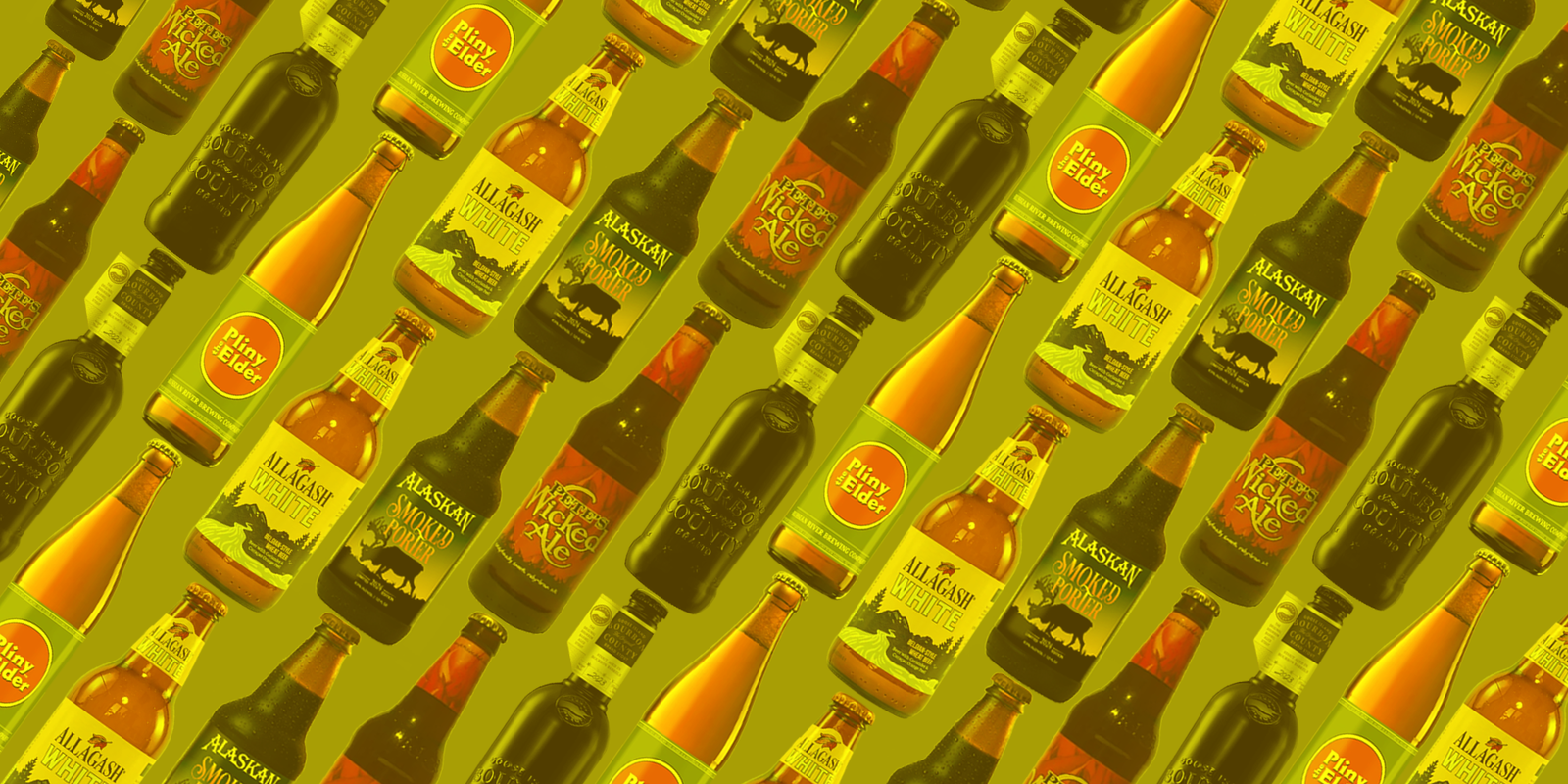
Pliny the Elder, Allagash White, Goose Island Bourbon County Stout, Pete's Wicked Ale and Alaskan Smoked Porter are the latest beers recognized, joining the inaugural 2025 class of Sierra Nevada Pale Ale, Samuel Adams Boston Lager, Anchor Steam Beer, Celis White and Anchor Liberty Ale.
I want to note before going any further that this isn't meant to be a list of the best beers ever made. The Hall is looking for beers that changed or influenced something in craft beer, whether that was a style, a brewing technique, the way beer was marketed, or what craft beer enthusiasts were willing to drink!
That distinction came up when American Craft Beer Hall of Fame founder Marty Nachel joined us on Foamies with Homies a few months ago. Marty admitted he has a tendency to think too much about the people side of the Hall and not enough about the beers, but the reasoning behind the Landmark program is pretty simple.
"The primary objective of the Hall is to recognize people," he told us. "That said, we also have to acknowledge beers. I mean, what are we all into this for? Because of the beer."
The Hall's advisers nominate beers based on the effect they've had on the industry over the past 50 years, and then the group has the unenviable job of narrowing that history down to five selections a year.
The Hall itself is still young. Marty started poking around the idea in 2023, mostly out of curiosity, and kept running Google searches that came back empty.
"I was really dumbfounded by that, because I thought, this is a travesty," he said. "Here we are 40-some-odd years into the American craft beer industry, and nothing for these folks who started it."
In early 2024 he sketched an outline of what a Hall of Fame should look like and sent it around to industry contacts, hoping somebody would volunteer to build it. Nobody did. So he incorporated the organization as an Illinois nonprofit in the spring of 2024, ran the first election that fall and announced the inaugural class in February 2025.
He also has the unusual advantage of having watched a huge chunk of this history happen in real time. He got into beer around 1983, started brewing his own in 1985 and passed the BJCP exam in 1986 as one of the first 70 people in the world to do it and the first in Illinois. He freelanced for the handful of beer magazines that existed at the time, which led to Beer Across America in 1995, Beer for Dummies in 1996 and Homebrewing for Dummies in 1997. He started judging the Great American Beer Festival in 2010, began judging internationally in 2017 and taught beer education at College of DuPage from 2015 until the program was shut down in 2023.
And, conveniently for those of us who asked the right question at the right time, Marty gave us a preview of where this year's voting might be headed.
We asked which beers he thought would eventually land on the Landmark list. He drew a blank for a second, and then:
"Oh. Goose Island. Bourbon County. That's got to be on there."
He even guessed the year.
"I'm assuming it's going to make it in '26. I can't say for sure, because I'm not the king. I don't make those rules."
We asked whether he at least got a veto every year, one push for a beer he felt strongly about.
"Nope. I'm one of a hundred people who do the voting. So I have 1% of the vote."
Turns out his 1% had company.
Pliny the Elder - Russian River Brewing Company
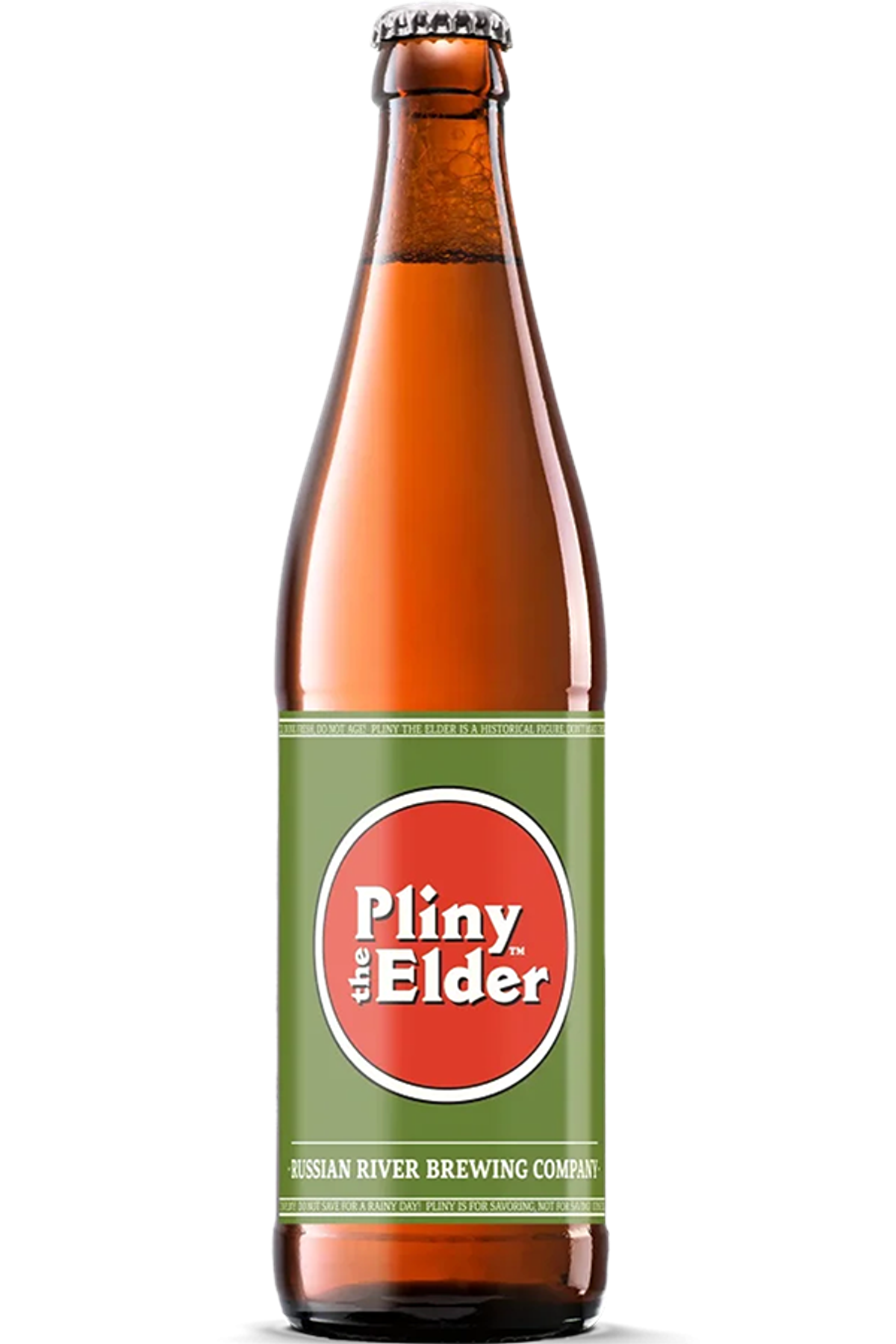
Vinnie Cilurzo first brewed Pliny the Elder while Russian River was still operating under Korbel in 1999, following his earlier experimentation with what would become Double IPA at Blind Pig. Russian River calls it one of the first commercially brewed Double or Imperial IPAs in America. More than 25 years later, it remains the brewery's flagship and its most popular beer.
Think about everything IPA has done since. We’ve seen so many different variations: American, West Coast, New England, Session, Double, Imperial, Black, Red, Rye, Belgian, Sour, Milkshake, and even the Brut IPA (RIP). And through all of this? Pliny just kept being Pliny.
That’s probably the easiest way to explain why it belongs in the Hall.
IPA changed around it, rather than Pliny changing to follow the trends that came next.
It kept the same dry, bitter, aggressively hopped Double IPA profile people were dying to get their hands on, and more than 25 years later, still are.
Allagash White - Allagash Brewing Company
Cloudy beer wasn't always the norm, which I fear is easy to forget in the current craft beer landscape.
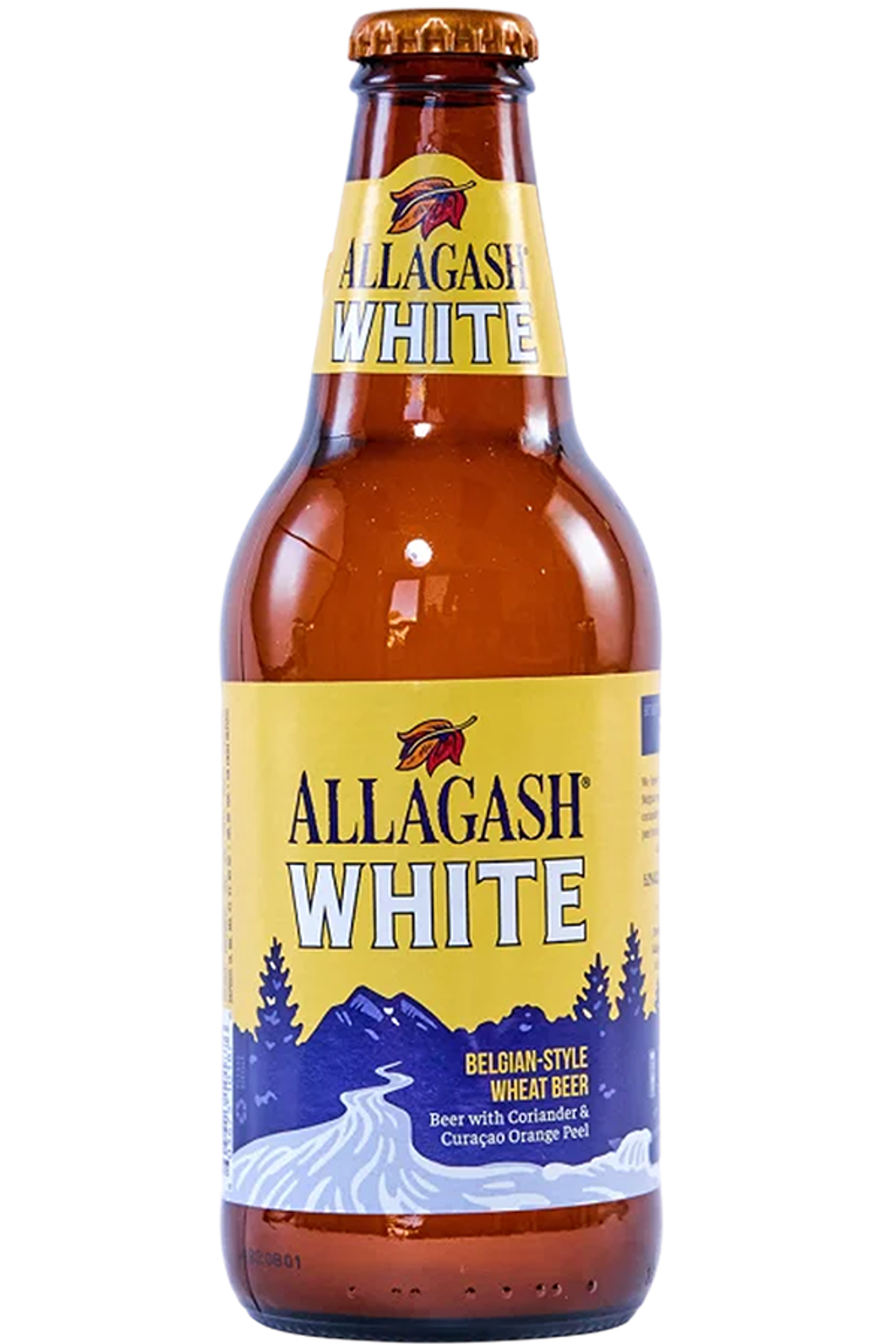
Rob Tod founded Allagash in Portland, Maine, in 1995 and started with one beer: Allagash White, a Belgian-style wheat beer brewed with coriander and Curaçao orange peel alongside oats, malted wheat and raw wheat. At the time, that was a much stranger proposition in American beer than it may seem today.
The early craft movement already had plenty of British influence and increasingly hop-forward American beer. White wanted something more, something with Belgian yeast character, spice, wheat and haze that would go on to show American enthusiasts there was a much larger brewing world out there.
Then it stuck around. And around. Andddd…. aroundddddddddddddddd…. and arounddddddddddddddddddddddddddddddddddddddddddddd. And for good reason.
White has collected an almost stupid number of medals. Since its first World Beer Cup gold in 1998, it has piled up 19 medals across the World Beer Cup, Great American Beer Festival, and European Beer Star: 11 golds, three silvers, and five bronzes. That includes World Beer Cup golds in 1998, 2010, 2012, and most recently 2026, plus GABF golds in 2002, 2005, 2015, 2020, 2022, and 2024.
Fast forward thirty-one years later, and you’ll come to find that ordering one doesn’t feel adventurous. That's probably the highest compliment you can give it. Something that once expanded the American palate eventually became a major part of the American palate.
Bourbon County Stout - Goose Island Beer Company
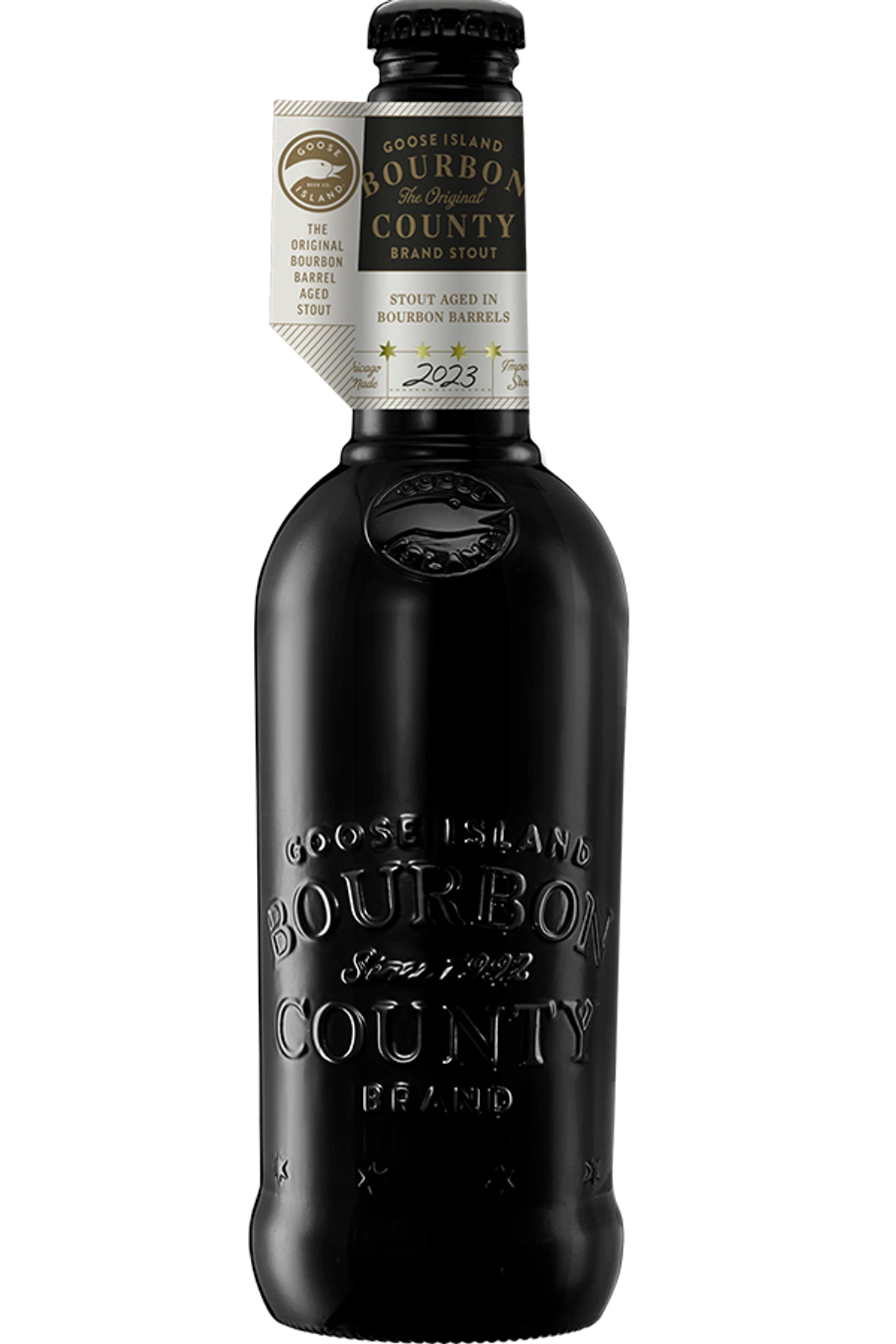
In 1992, Goose Island brewmaster Greg Hall was looking for something special for the Clybourn brewpub’s 1,000th batch. A conversation with legendary bourbon distiller Booker Noe eventually led to freshly emptied bourbon barrels and what Goose Island considers the first bourbon barrel-aged stout.
When Bourbon County made its way to the Great American Beer Festival in 1995, there wasn’t even a proper category for it. Goose entered it as a Strong Ale, where it earned an honorable mention anyway. That feels like a pretty good way to explain what happened next.
Barrel-aged stout became a mainstay in modern craft beer. Breweries started dedicating time to building entire barrel programs. Distillery names started showing up on labels. Then came bottle shares, verticals, release-day lines, secondary-markets, and Goose Island’s annual Black Friday release shenanigans.
Goose Island creating Bourbon County may not have invented barrel aging. But, similar to Allagash White, it showed craft beer drinkers there was way more to beer than they’d ever known.
More than 30 years later, the rest of the industry is still running with what Bourbon County helped start.
Pete's Wicked Ale - Pete’s Brewing Company
Pete’s Wicked Ale is probably the biggest ‘I don’t know what this is’ beer on this list for anyone who got into craft beer after its heyday.
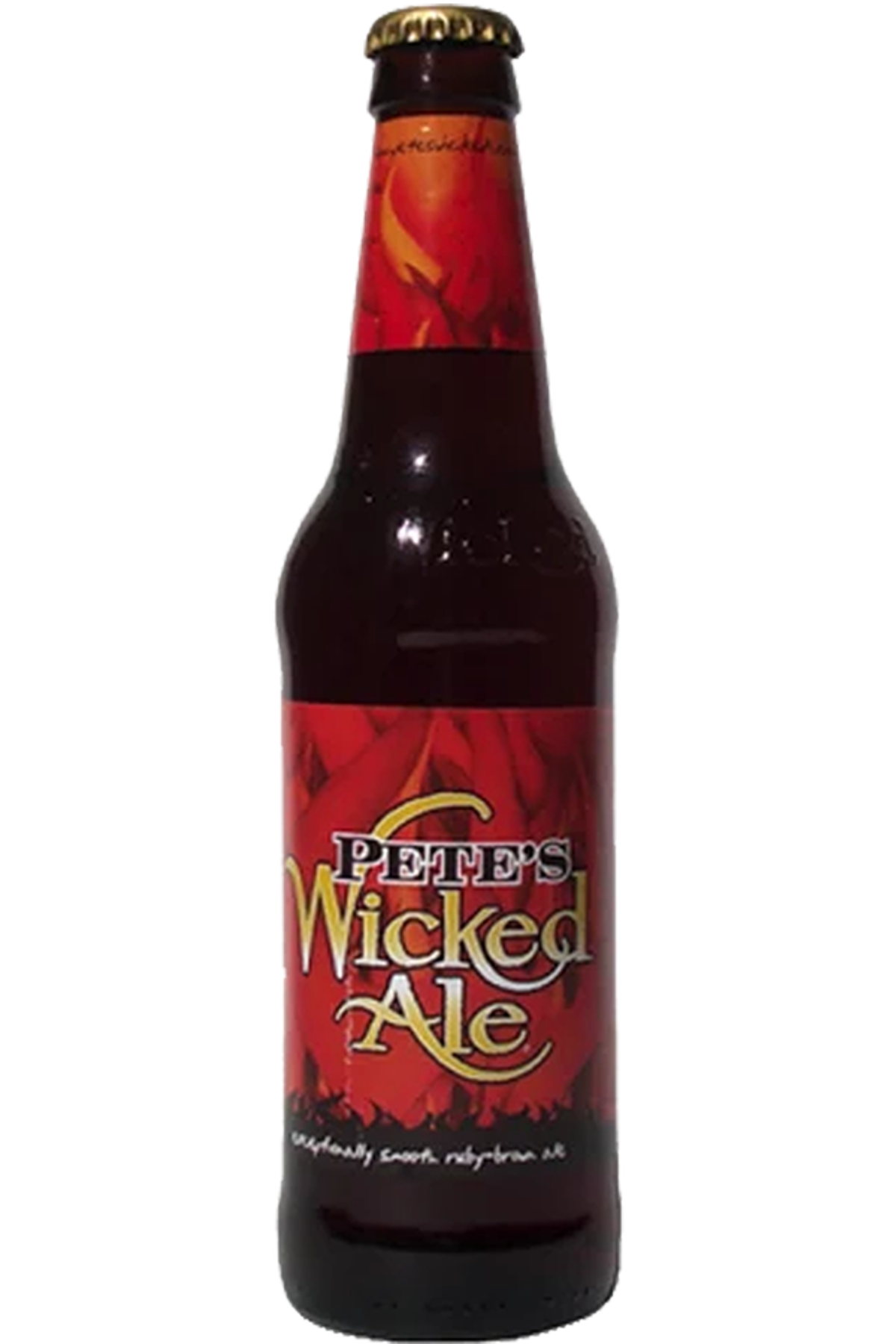
Pete Slosberg started homebrewing in 1979 and spent the next seven years working on the beer that would eventually become Pete’s Wicked Ale in 1986. Inspired by English brown ales, Slosberg amplified the hop profile and helped create what we now know as American Brown Ale.
And Pete’s got big, like BIG BIG.
By the mid-1990s, Pete’s Brewing was the second-largest specialty brewer in the country behind Boston Beer, and Wicked Ale had become one of the best-selling craft beers in America. At its peak, Pete’s was being sold in 47 states and through more than 200,000 retail accounts.
Which is kind of wild considering how little you hear about it in 2026.
Pete’s Wicked Ale didn’t survive long enough to become the forever flagship that Pliny or Allagash White did, but its influence absolutely did. It took a darker, maltier style that most enthusiasts had little experience with, threw some American hop character into it, And proved that, even in a market dominated by domestic beer, there was still room for something a little more obscure.
For a while, Pete’s wasn’t just some crazy piece of craft beer history, it quite literally was craft beer.
Alaskan Smoked Porter - Alaskan Brewing Company
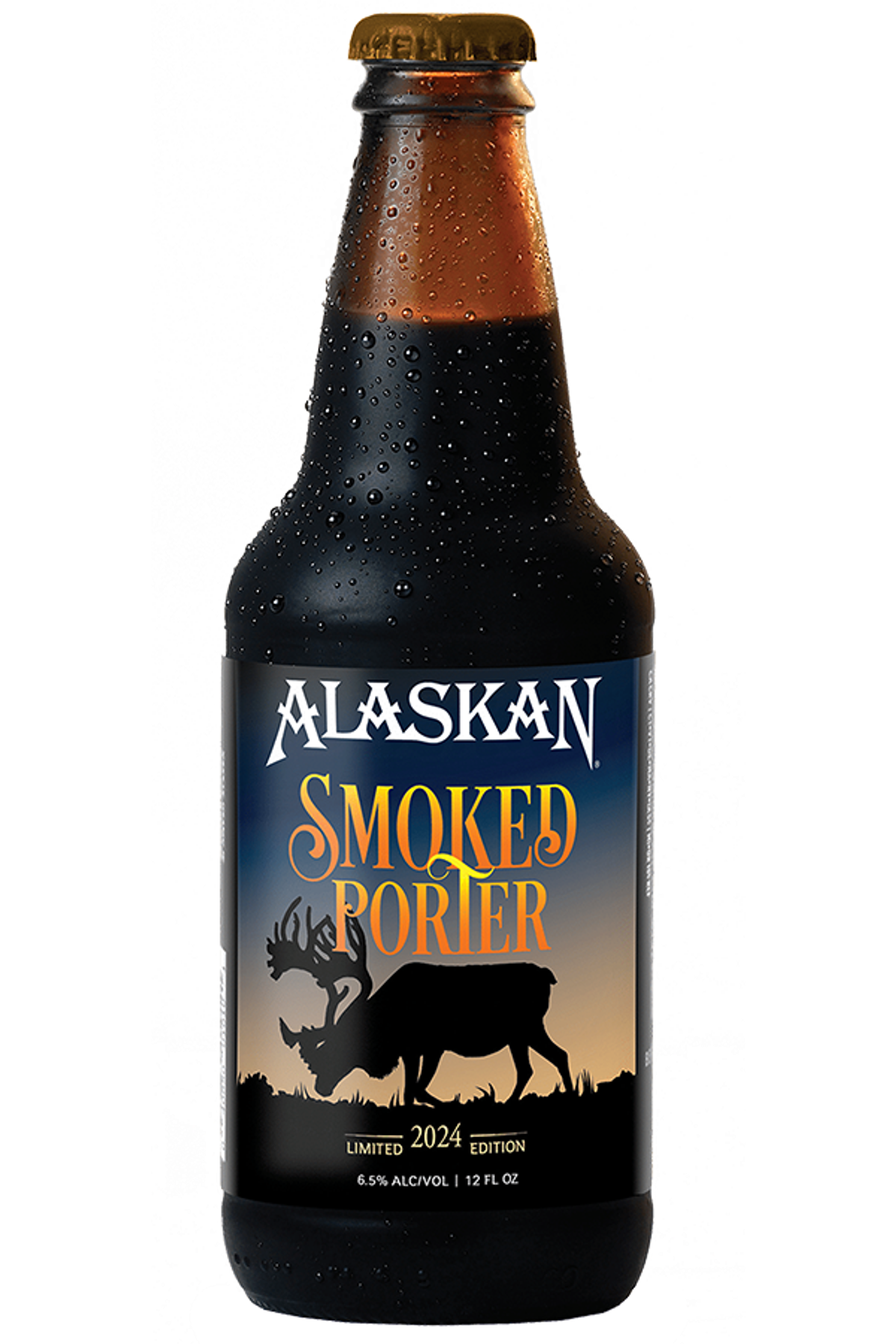
This one is a little more personal for me. Alaskan Smoked Porter was the beer that made me fall in love with Rauchbier, which feels pretty fitting considering it helped introduce an entire generation to smoked beer in the first place.
Alaskan first brewed it in 1988, back when smoked beer was virtually nonexistent in the United States. Cofounder Geoff Larson took inspiration from the alder wood smokers traditionally used for salmon in Southeast Alaska, along with early Alaskan brewers who would have dried malt over local alder fires. Today, Alaskan still smokes portions of the malt over alder wood for each vintage.
Smoked Porter started collecting hardware almost immediately. Its first vintage took silver at GABF in 1988, followed by five straight golds from 1991 through 1995. And it never slowed down after that.
Across the Great American Beer Festival, World Beer Cup and European Beer Star alone, Alaskan Smoked Porter has collected 36 medals: 14 golds, 12 silvers and 10 bronzes. That includes eight GABF golds, three World Beer Cup golds and three European Beer Star golds, with the most recent coming at European Beer Star in 2024.
That’s a stupid amount of hardware for a style of beer most of us would still consider somewhat obscure.
But that’s also why it belongs in the Hall. Alaskan Smoked Porter helped open the door for smoke to become something American brewers could actually utilize.
Since then, we’ve seen breweries take that idea in a bunch of different directions: smoked Märzen, smoked Helles, smoked Bock, smoked Porter, smoked Stout, smoked Wheat beer, even the occasional smoked IPA or sour.
Nearly 40 years later, smoked beer is still niche, but it’s no longer some strange little corner in craft beer nobody likes.
When we talked with Marty, the 2026 class hadn’t been selected yet, but he was keen on emphasizing the difficult part of this process, actually selecting five.
“There’s so many of them. That part’s going to be easy,” he said. “Winnowing them down to specifically five is going to be difficult.”
After two classes, the Hall has only ten Landmark Craft Beers to represent roughly 50 years of American craft brewing. That leaves a ridiculous amount of history still waiting for its place.
I may have tried to sneak Magic Hat #9 into the conversation, and Marty caught on immediately.
“Sounds like somebody’s doing some campaigning.”
And he would be correct.
To his credit, Marty still gave #9 a fair shake. He remembered it as a genuinely unique beer for its time, especially with the following it built in the Northeast, and said he could absolutely see it finding its way onto the Landmark list within the next few years.
Which immediately gets the gears turning about what’s next.
Two Hearted? Celebration? Fat Tire? 90 Minute IPA? Arrogant Bastard? Dale’s Pale Ale? Heady Topper? Kentucky Breakfast Stout?
That’s the fun part of only having ten beers inducted so far. There’s still a massive amount of American craft beer history left to sort through.
But even with these first ten, you can already start tracing the family tree. Pale ale. Steam beer. Witbier. American brown ale. Double IPA. Bourbon barrel aged stout. Smoked Porter. Each one opened the door for breweries ahead to do amazing things within the realm of craft beer, and helped influence some of our favorite staples in modern craft beer.
That’s what makes this list so fun to follow. It’s less about ranking the greatest beers ever made and more about looking back at the ones that pushed the boundaries of what american craft beer could be.